
REMEMBER WHEN
you were in your 20s?
You probably didn’t worry too much about
what you ate.
But as you’ve gotten older, a few extra
pounds have appeared around your
middle. Your energy seems to be fagging.
And those burritos you’ve always enjoyed
have started coming back to haunt you in
the form of heartburn.
OK. It may be time to take a closer look
at what—and especially how much—you
eat.
But don’t worry. You won’t have to give
up all your favorite foods or go hungry.
“Men don’t need any kind of extreme
diet to stay healthy as they age,” says Jim
White, RD, a spokesman for the American
Dietetic Association (ADA). “Tey just
have to start paying attention to their
food choices and portion sizes.”
Fill Up on Variety
Tose food choices need to include lots of
whole grains, fruits, vegetables and low-
fat dairy products. As men age they need
more:
➜
Fiber.
➜
Calcium.
➜
Vitamin D.
➜
Potassium.
➜
Healthy fats.
But there are some things they need less of.
For instance, “Men might have to cut
back on red meat consumption,” White
says. “Tey also need to limit things
like pasta, creams and sauces, and fried
foods.”
But that doesn’t mean you never get to
eat your favorite foods. You can still enjoy
pizza, for instance, White says. Just make
it a rare treat, and don’t eat the whole
pie. Limit yourself to one or two slices.
Sticking to reasonable portion sizes will
help keep your calories under control.
Calories Count
Yes, you do need to start watching your
calories. Tat’s because your metabolism
slows as you get older. As a result, unless
you change your eating and exercising
habits, you’ll lose muscle, gain fat and
burn fewer calories.
According to the ADA, men older than 50
who are not active need about 2,000 calories
a day. Men of this age who are moderately
active may need 2,200 to 2,400 calories
daily. Very active men may need 2,400 to
2,800 calories each day.
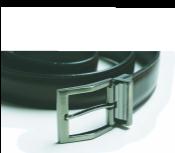
Men,
Check the
Size of
Your Belly
Your doctor can order
all sorts of tests to
measure your health.
But here’s one you
can do on your own:
Measure your waist.
Excess fat around
the middle can raise
the risk for several
health problems.
A man with a waist
of more than 35 to 40
inches (depending on
ethnic background)
may be at higher
risk than a man
with a smaller waist
for type 2 diabetes,
high blood pressure,
high cholesterol
and coronary artery
disease.
Speak to your
primary care provider
about your waist size
and risk factors.
Centers for Disease Control and
Prevention; National Institutes
of Health
Looking atWhat You Eat
Making changes in your diet and eating habits really can
make a diference in your long-term health.
Larry Brogan, of Pearson, at Lakeside Grocery. Larry has lost 84 pounds this past year with
proper nutrition and exercising fve days a week.
10
Pathways • www.langladehospital.org