
Welcome,
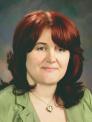
Dr. Lechtev!
Tanya Lechtev, MD, joins
Langlade Hospital and
Aspirus as director of
the Hospitalist Program
at Langlade Hospital.
Dr. Lechtev completed
her residency in Internal
Medicine/Pediatrics at
Geisinger Medical Center
in Danville, Pa., and
received her Diploma of
Physician (the equivalent
of an MD license) from the
Higher Medical Institute
“Ivan P. Pavlov” in Plovdiv,
Bulgaria. Dr. Lechtev,
her husband and their
10-year-old son relocated
to Antigo and purchased
a home. Tey are excited
about joining the Antigo
community.
because of the increasing complexity of
hospitalized patients' needs and national
quality-of-care mandates. Tis increases
the burden on the physicians, leading to
longer work hours and limiting access for
patients in the ofce setting. Physicians
spending longer hours in the hospital
can’t ofer as many ofce hours.
As a result of these developments,
physicians are now choosing between
being hospitalists or ambulatory/
outpatient physicians in hopes of ensuring
high-quality medical care across the
spectrum.
Better Care for All
In most hospitals, a hospitalist is available
to care for patients 24 hours a day, 7
days a week, including holidays. Other
advantages of having a hospitalist include:
➜
➜
In emergencies, a hospitalist can
usually respond immediately because he
or she is already in the hospital.
➜
➜
Te hospitalist’s availability
throughout the day in the hospital
can lead to improved communication
with family members. Hospitalists can
answer questions about medical care,
specialists, discharge planning and any
complications.
➜
➜
Hospitalists focus on quality, safety
and appropriate uses of available
resources. Tey work toward meeting
national goals and objectives for evidence-
based medicine. Tey also participate
in medical staf activities and serve on
hospital committees.
➜
➜
From a hospital’s standpoint, a
successful hospitalist program has
the potential to improve patient
safety, control costs and raise patient
satisfaction. And because they help lower
the work burden on community-based
primary care physicians, those doctors
are more likely to stay in the area.
More doctors mean more health care
resources available for the people in our
community; it’s a win-win situation.
PATIENTS ADMITTED
in Langlade Hospital
may be cared for by physicians known
as hospitalists. Tis is a new specialty in
our area, and I suspect that my physician
colleagues in the community will face
many questions from patients.
A New Model of Care
Te term
hospitalist
refers to a physician
whose primary focus is caring for
patients in the hospital setting. Hospital
medicine in the
United States is
the discipline
concerned with
the medical
care of acutely
ill hospitalized
patients. Tere
are more than
30,000 hospitalists
practicing in the
United States.
Approximately 80
percent are trained in internal medicine,
although family medicine and pediatric
specialists are also found. Hospitalists
represent one of the fastest-growing forms
of medical practice in the U.S.
What fueled this growth of hospital
medicine and hospitalists? Te regulatory
body governing residency training
mandated limits to work hours and
patient loads for trainee doctors. Suddenly
the larger academic medical centers,
where a signifcant patient population
had been handled by resident training
teams, needed more doctors to cover
the additional hours. Hospitalists began
flling these gaps.
Communities, especially in rural areas,
have been accustomed to physicians
practicing medicine the traditional way—
caring for their patients in their ofces,
emergency rooms, nursing homes and at
the hospital.
Over the past several years, this
practice of medicine has changed
BY NOEL DEEP, MD, CHIEF OF STAFF
Hospitalists andHospitalMedicine
Tanya Lechtev, MD
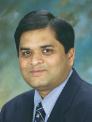
Noel Deep, MD,
Chief of Staf
www.langladehospital.org • Pathways
11